 Feb 13, 2026
Meme Marketing 2.0: Why Meme Culture is the New Must-Have in Digital Marketing?
If AI is taking over everything in 2025 — from writing emails to “predicting” what you’ll have for dinner — there’s still one thing it can’t outsmart: the internet’s chaotic, unserious, unpredictable meme culture.
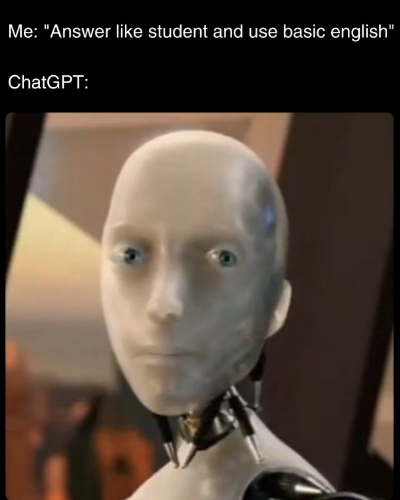
(image source: chatgptricks)
And that’s exactly why meme marketing continues to dominate digital culture, especially for brands trying to connect with the Gen Z attention span (which, by the way, is shorter than the time it takes to skip an ad).
Before we deep-dive, if you want the background on how Gen Z behaves online, check our earlier blog: Creating Ads for Gen Z: How to Reach the Digital Generation First.
Let’s begin.
Why Meme Culture Is Still Untouchable in 2025
Because memes evolve faster than trends, faster than AI, and definitely faster than your brand approval pipeline.
Every moment, every emotion, every awkward situation, the internet turns it into a meme before brands even wake up. This lightning-fast relatability is what gives memes a power other marketing tools can’t match.
And in a world where users scroll past traditional ads like they’re invisible, memes offer one thing no algorithm can replicate: Instant emotional recognition.
This is exactly what we explored in The Marketing Science behind Customer Emotions — emotions drive decisions, not logic.
Memes tap directly into shared feelings, shared experiences, and shared chaos.
The Psychology behind Meme Marketing
Memes work because:
✔ They trigger familiarity: Users see themselves, their mood, or their daily struggles in your meme. It’s like saying “same bro” but with pixels.
✔ They build community: Memes thrive on inside jokes. When your brand uses them well, users feel like, “Oh, they get us.”
✔ They lower brand-customer distance: A corporate message becomes a friendly nudge.
✔ They are dopamine machines: Every scroll brings small bursts of joy — memes hack into that reward loop.
✔ They simplify complicated ideas: Want to explain a new feature? A new update? A boring announcement? Make a meme. Silence the yawns.
This psychological influence is the same behavior pattern we decoded in Do Social Media Influence Customer Buying Behavior?
Why Meme Marketing Works
1. They’re shareable by default: People don’t share ads, but they share memes faster than they share OTPs.
2. They hack virality: One good meme = more reach than your last 5 boosted posts.
3. They add personality to your brand: You stop sounding like a boardroom. You start sounding like a human.
4. They are low-cost, high-impact: A single caption on a trending image can outperform a full-blown Production Ad.
5. They speak Gen Z and Gen Alpha fluently: Memes are basically their mother tongue. No wonder meme-driven formats remain at the heart of Ultimate Insights to Marketing Trends.
The Benefits of Meme Marketing for Brands
⭐ Boosted Engagement: Likes, shares, saves, comments — memes are engagement factories.
⭐ Higher Organic Reach: Your meme spreads; your brand travels with it.
⭐ Better Brand Recall: People forget taglines. People forget banners. But they NEVER forget a funny meme they laughed at during lunch.
⭐ Audience Bonding: A good meme = instant connection.
⭐ Cultural Relevance: Memes show your brand is alive and aware — not stuck in corporate ice age.
How to Craft the Perfect Meme (Without Cringe)
Step 1: Know the Trend and Its Expiry Date
Memes expire faster than milk. Use them while they’re fresh.
Step 2: Know Your Audience
A meme meant for Gen Z will confuse millennials. A meme meant for millennials will terrify boomers.
Step 3: Keep It Simple
A meme is not a PPT. One image + one idea = enough.
Step 4: Stay Brand-Relevant
Don’t force-fit your logo everywhere. Be witty, not weird.
Step 5: Maintain Tone Consistency
If your brand is chill, go full meme. If your brand is serious, subtle meme seasoning works.
Mistakes to Avoid in Meme Marketing
❌ Being late: If the trend ended yesterday, let it die peacefully.
❌ Using a meme you don’t understand: Nothing is more dangerous than a confused meme. It exposes you.
❌ Over-explaining the joke: If you need to explain it, it wasn’t funny.
❌ Insensitivity or offensive humor: Dark humor is not brand-safe (unless that’s literally your brand).
❌ Using copyrighted meme images without care: When in doubt, redraw, reinterpret, or create your own formats.
Meme Marketing Controversies You Should Know
Memes are fun, but the internet is sensitive:
Brands have been called out for using memes during tragedies or sensitive events. Some memes carry political or cultural undertones — stay out of those. Misused formats often become PR nightmares (“Why did they use THIS meme?!”) Always assess context, timing, and community sentiment. Memes are powerful, but so are backlash storms.
The Future Is Fun — Literally!
Brands that can adapt, laugh, and participate in internet culture will thrive. Brands that don’t? They’ll be as forgotten as last year’s filters. In 2025 and beyond, Meme templates will evolve. AI will generate memes, but humans will decide what’s funny. Humor will remain the strongest emotional driver. Communities will reward brands that keep things light, relatable, and real.
In short, the future of marketing is fun. And if your brand can’t take a joke… the internet will make one out of you.