 Mar 20, 2026
Retro Is the New Viral: Why Nostalgia Marketing Is Captivating Gen Z in India
We are living in a “remix culture” where the most innovative brands are no longer inventing emotions from scratch. They are curating our collective childhood and remixing it for the present. From the 90s aesthetics to retro fonts, nostalgia marketing has emerged as one of the most powerful tools in modern brand storytelling. What’s surprising, however, is not only that millennials are responding to it, but Gen Z, a generation that didn’t even live through the 90s era, is driving its virality in India.
So why is nostalgia marketing working so well with India’s youngest consumers in 2025-26? And what does this mean for brands, marketers, and advertisers?
Understanding Nostalgia Marketing in the Age of Gen Z
Nostalgia marketing uses familiar cultural cues, such as music, visuals, language, or moments from the past, to evoke emotion and trust. Traditionally, it worked best on people reliving their own memories. But Gen Z flips this logic. For them, nostalgia isn’t always personal; it’s aspirational and aesthetic.
In this era dominated by algorithms & AI-generated content, Gen Z is emotionally drawn to anything that feels human. Those old-school visuals, the retroness, early-2000s culture, and pre-social-media simplicity create curiosity among Gen Z.
Why “Retro” Feels Fresh to Gen Z?
-
Gen Z grew up online. Constant notifications, filters, and social media feeds have created fatigue. But these retro nostalgic contents slow things down, feel emotionally grounding, and offer some relief.
-
Nowadays, these pixel fonts, vintage filters & retro visuals dominate Instagram Reels and YouTube Shorts. It has become a trendy visual language for Gen Z.
-
Gen Z loves discovering things from before their time, and sharing them is their way of signalling taste and individuality.
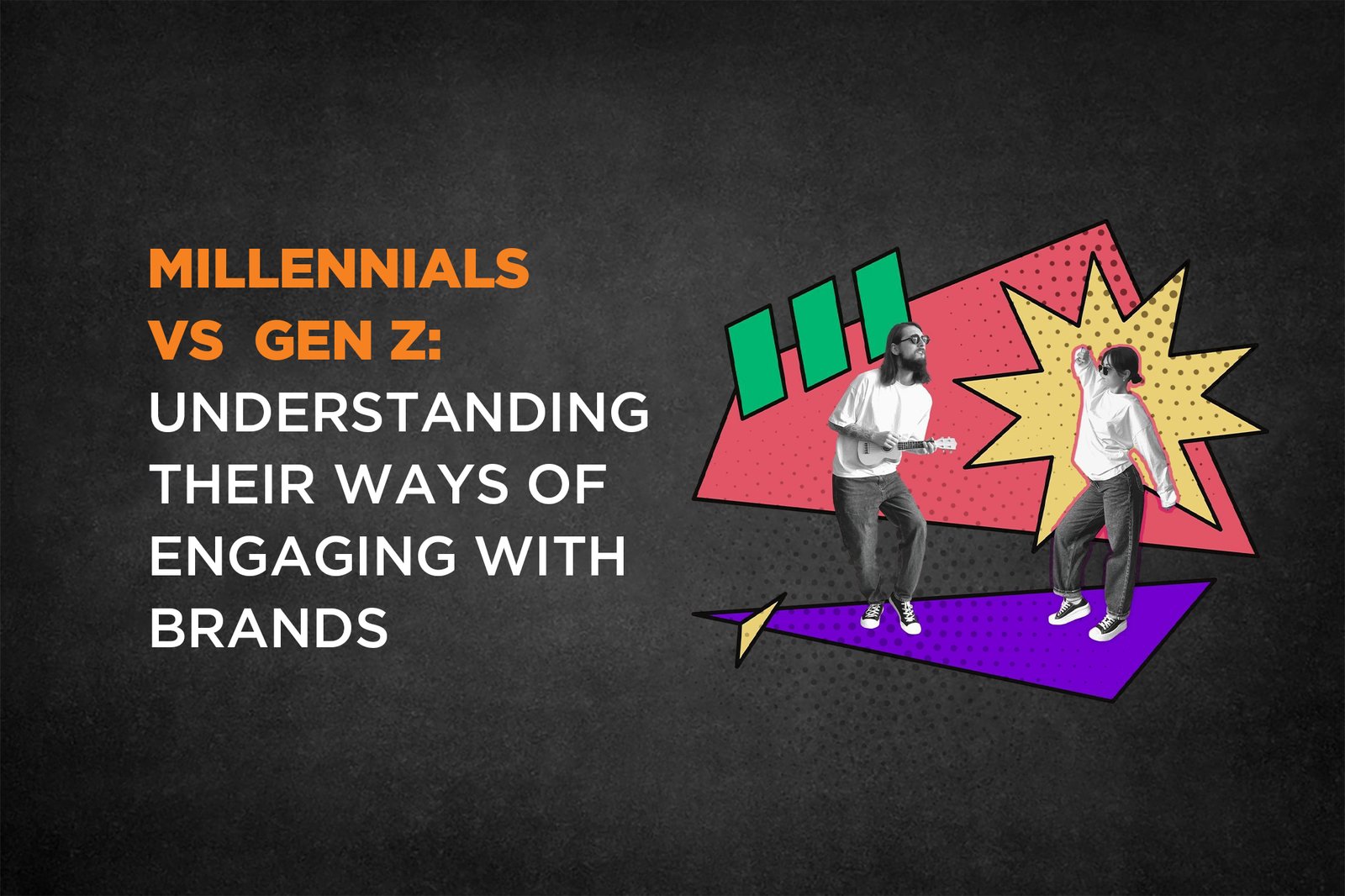
This is why nostalgia marketing is about “remember when” for the Millennials and “discover this” for Gen Z.
Why Nostalgia Marketing Is Going Viral?
Nowadays, virality isn’t driven only by shock or novelty; it’s driven by emotional relatability. These contents:
-
Feels instantly familiar
-
Encourages sharing
-
Builds trust faster than polished ads
-
Humanizes brands
For the Gen Z audience, sharing nostalgic content is a way to connect.
Some Indian Brand Examples Winning with Nostalgia
Instead of relying only on performance marketing, some Indian brands have blended emotional nostalgia with modern themes and repackaged them for social media and short-form content to stay relevant with Gen Z.
-
Paper Boat continues to dominate nostalgia-led storytelling by revisiting childhood summers, school holidays, and traditional Indian drinks. Its emotionally rich campaigns have helped the brand strengthen Gen Z recall while reinforcing trust among millennials.
-
Nirma successfully revived its iconic jingle during 2024-25, triggering instant brand recall across generations. The familiar tune, amplified through reels, helped the brand reconnect emotionally, especially in non-metro and rural markets.
-
Amul remains a timeless case study in nostalgia marketing, as the “Amul Girl” continues to comment on current social and cultural moments without losing relevance.
-
Without drastic reinvention, Parle-G maintains a strong emotional bond that resonates with Gen Z and sustains its heritage branding.
The Strategic Role of Advertising Agencies Like Canonfire
Executing nostalgia marketing isn’t about randomly using retro fonts or old songs; otherwise, it will look forced. This is where the role of an advertising agency like Canonfire becomes critical. We at Canonfire:
-
Know which era to reference and why
-
Balance emotion with modern relevance
-
Localize nostalgia for regional audiences
-
Adapt retro ideas for digital-first platforms
Interestingly, nostalgia marketing is thriving because of modern technology. Data & AI help identify the cultural patterns. Platforms amplify throwback content faster than ever. But the emotional core still comes from human-centric storytelling.
For us,
The Winning Formula = Nostalgia + Technology (in a humanized way)
Final Thoughts
Retro is viral because it feels real. And it isn’t about going backwards; it’s about using the past to create relevance in the present. In a world of synthetic content, if you want Gen Z attention, then:
-
Stop talking at them
-
Start connecting with them emotionally
Brands that succeed will be those that act as cultural curators.
[Keywords: Nostalgia marketing trends 2026 India, Gen Z consumer behavior India, Why is nostalgia popular with Gen Z?, Emotional branding strategies 2026, Best creative agency in Bhubaneswar for Gen Z brands]