 Apr 03, 2026
Top Indian Advertisements That Went Viral Recently: A Case Study
In today’s digital landscape, successful advertising in India is defined by campaigns that move beyond simply selling products; they spark conversations and integrate brands into the cultural fabric. As 2026 began, India's standout campaigns engaged audiences through creative, authentic storytelling that woven brands into the rhythm of daily life.
As a leading advertising agency based in Bhubaneswar, Odisha, we at Canonfire constantly analyze these viral movements to understand what truly resonates. In this case study, we break down the most-talked-about campaigns that successfully connected with a mass audience while allowing influencers to take center stage.
1. Oreo x Rohit Sharma - T20 World Cup Campaign
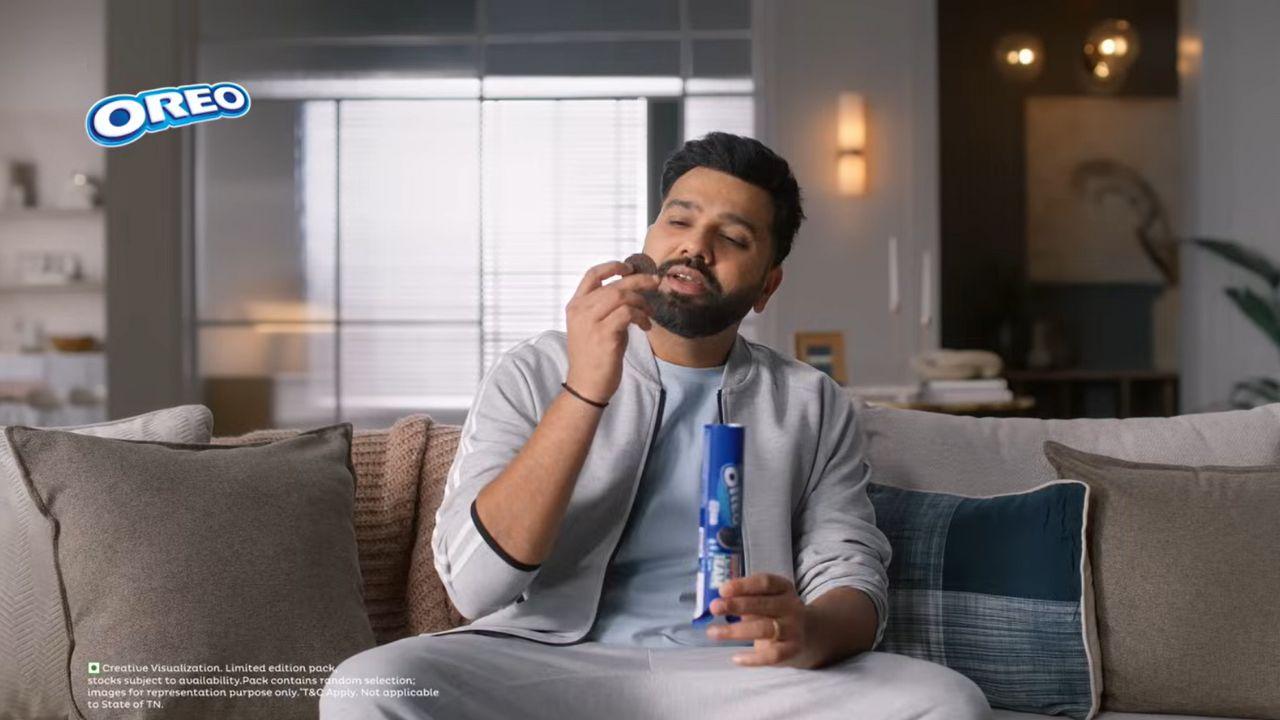
The Oreo campaign featuring Rohit Sharma during the T20 World Cup capitalized on India’s deep-rooted emotional connection with cricket. The film wasn’t just a product showcase; it has become a celebratory ritual for how fans expressed their match-day excitement. Rohit Sharma’s presence added credibility and mass appeal, especially among younger audiences who idolize him not just as a cricketer but as a calm, dependable leader. The ad cleverly intercuts moments of cricket tension with playful snack consumption, creating a rhythm that mirrors the highs and lows of a T20 match. What made it viral was its perfect timing, strong cultural alignment, and snackable content format designed for reels, memes, and quick shares.
2. Manyavar Mohey - Vijay & Rashmika Wedding Music Video
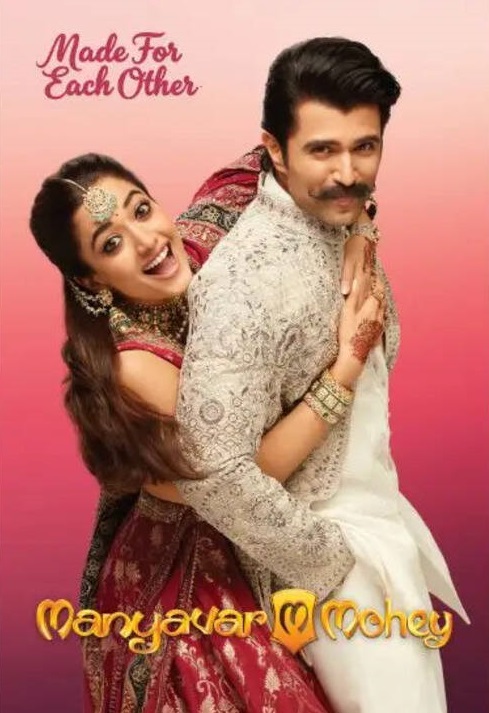
The Manyavar Mohey campaign featuring Vijay Deverakonda and Rashmika Mandanna elevated fashion advertising into cinematic storytelling. Structured as a wedding music video, the campaign blurred the line between a commercial and a short film, making it highly binge-worthy. Instead of pushing product shots, the narrative focused on chemistry, emotions, and the evolving journey of a modern Indian couple. Its virality stemmed from repeat value and emotional engagement. Audiences didn’t just watch it once; they rewatched, shared, and even used the soundtrack for their own content.
3. Thums Up x Hanumankind - Summer Anthem Campaign
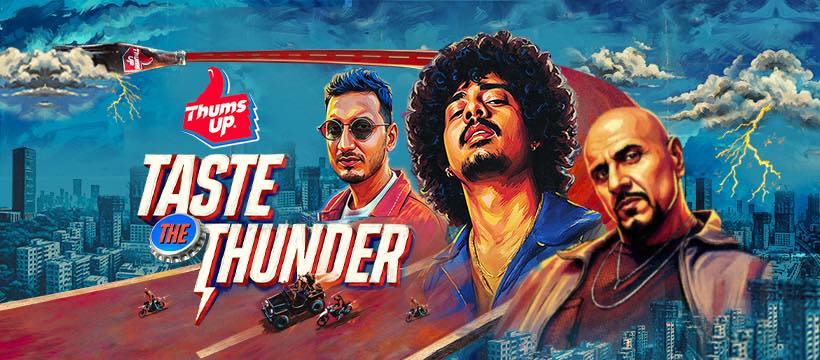
Thums Up’s collaboration with Hanumankind marked a decisive shift toward music-led branding. The campaign revolved around an original summer anthem that fused high-energy rap with adrenaline-charged visuals, bike stunts, urban landscapes, and bold, masculine imagery synonymous with the brand. Hanumankind’s edgy, global sound gave the brand a fresh, contemporary identity, helping it resonate strongly with Gen Z audiences. By merging music culture with brand identity, Thums Up created a campaign that didn’t just advertise; it participated in youth culture.
4. NPCI’s “Main Moorkh Nahi Hoon” - Featuring Pankaj Tripathi
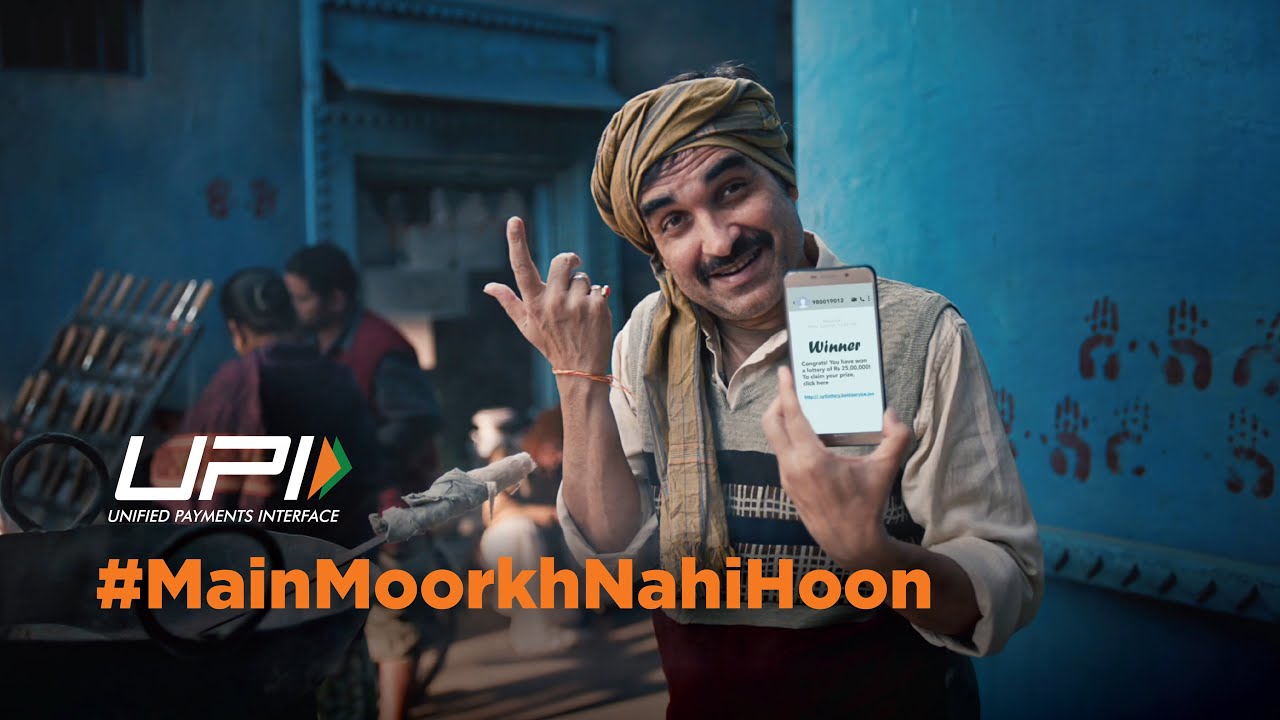
The “Main Moorkh Nahi Hoon” campaign by NPCI (Unified Payments Interface - UPI) featuring Pankaj Tripathi struck a chord by addressing a universal truth: Indian consumers are becoming smarter and less tolerant of manipulation. The campaign used satire and subtle humor to highlight everyday situations, where people are often misled, overcharged, or taken for granted. The line “Main Moorkh Nahi Hoon” became a social statement, widely used across platforms as a reaction phrase. Its virality was fueled by relatability, simplicity, and cultural truth, proving that powerful advertising doesn’t always need spectacle; it needs honesty.
5. IPL 2026 Campaign - “Jab Mauka Ho Khaas, Toh Khelo Bindass!”
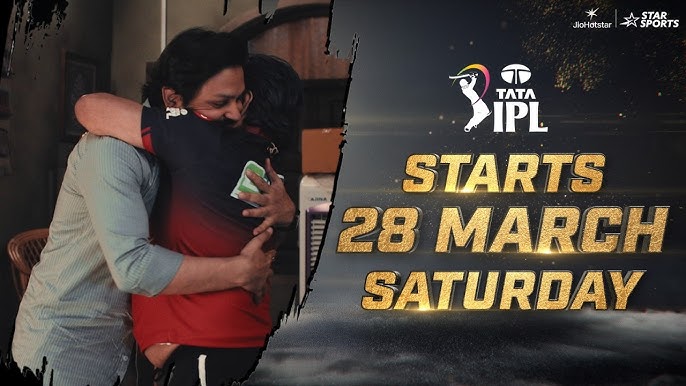
The ad is built around a motivational tone, driven by the line: “Koshish karne waalon ki kabhi haar nahi hoti.” From a strategic lens, the campaign works because it does not over-explain IPL; it amplifies how people behave during IPL. The focus is not on cricket itself, but on the emotional shift that triggers audiences. This makes the communication broader, more inclusive, and culturally sticky. This ad is a strong reminder that virality often comes not from complexity, but from a single, sharp human insight executed consistently across multiple touchpoints.
What Brands Can Learn
After analyzing these campaigns, a few clear trends emerge:
-
Brands that tap into emotions, culture, relatability, humour, nostalgia, or aspirations outperform generic messaging.
-
Ads that feel like content, not commercials, drive higher engagement.
-
Not just strong influencers, but relevance + authenticity matter.
-
Campaigns are now designed for reels, shares, and conversations, not just TV.
In a competitive landscape like India, brands need more than creativity; they need strategic storytelling backed by cultural intelligence. At Canonfire, we believe that virality is not luck; it’s strategy. There are some key principles every brand should adopt:
-
Think beyond ads, build narratives
-
Invest in culturally relevant storytelling
-
Design for digital-first consumption
-
Leverage influencers strategically, not blindly
Conclusion
The Indian advertising landscape in 2026 is dynamic, culturally rooted, and digitally driven. Brands that succeed are those that listen to culture, speak authentically, and create experiences.
If your brand wants to be the next viral success story, the blueprint is clear, and the opportunity is bigger than ever.
[Keywords: Viral Indian ads 2026, best Indian advertisements, advertising agency Bhubaneswar, examples of viral Indian ad campaigns]