 Aug 22, 2026
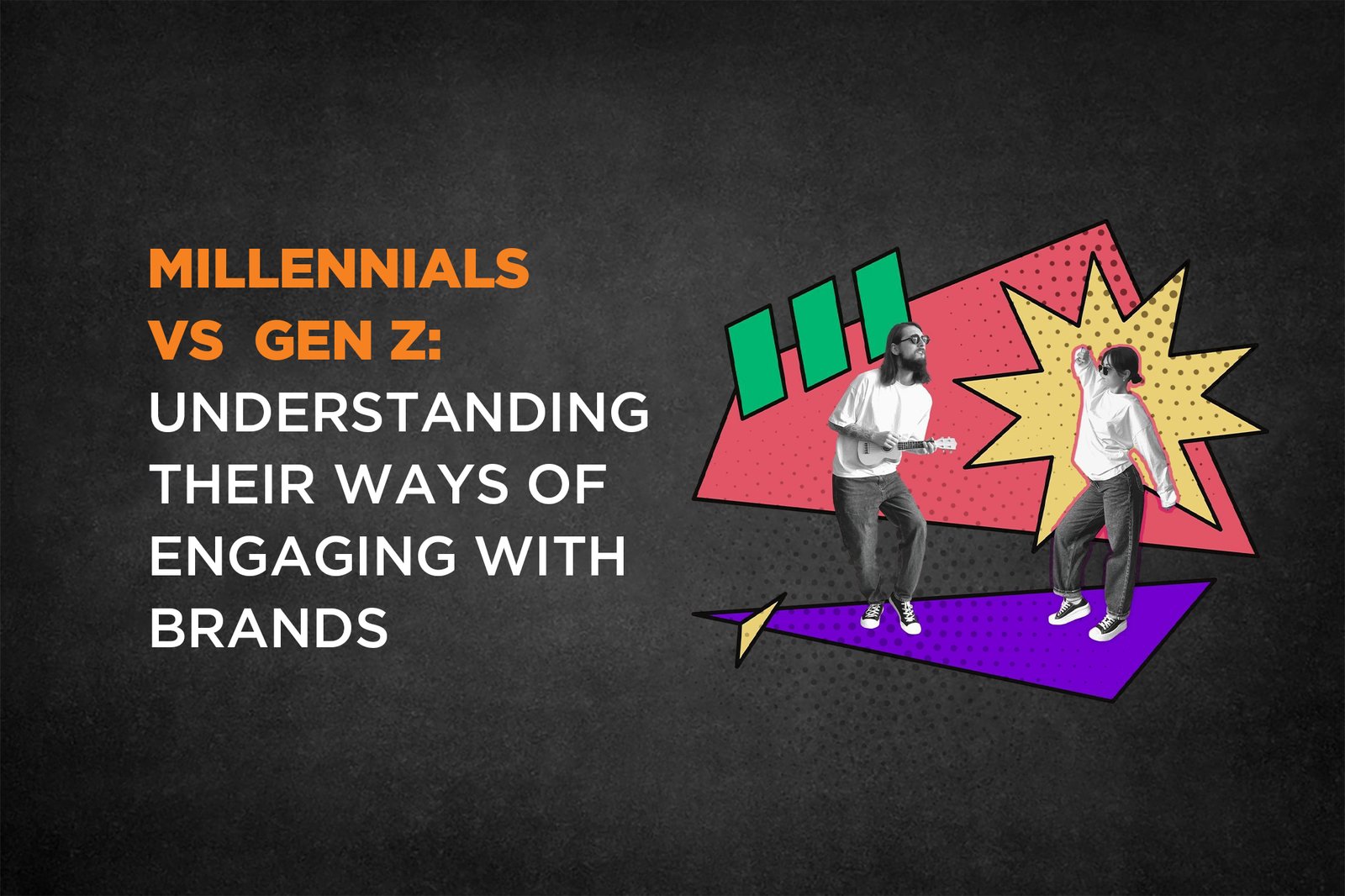
Millennials vs Gen Z: Understanding Their Ways of Engaging with Brands
Looking for the best event management company in Odisha? Call us today at: +91 99373 36692
The way people connect with brands has changed dramatically over the last two decades. Marketing has never been simply about putting information in front of people. It is about creating a reason for people to notice, remember, interact with, and trust a brand. As audiences evolve, those reasons evolve too. From television commercials and newspaper advertisements to Instagram Reels, short-form videos, influencers, and interactive content, audience engagement has become more personal, faster, and more digital.
Two generations at the centre of this transformation are Millennials and Gen Z. They represent two particularly important consumer groups for modern brands. Both are digitally connected, socially aware, and exposed to an enormous amount of content every day. Yet their expectations of brands and their preferred ways of engaging with them can be remarkably different. The key is not simply knowing where these audiences spend their time, but understanding how they choose to engage. Because of this, understanding these differences has become essential for businesses and advertising agencies.
Millennials Respond to Credibility
Millennials grew up during one of the biggest changes in media consumption. They experienced television, print, radio, and outdoor advertising before social media and smartphones became dominant. Because of this, they are comfortable navigating both traditional and digital brand communication.
When Millennials encounter a product or service online, they often want to understand it before making a decision. They explore websites, read reviews, check social media pages, compare alternatives, or look for recommendations. This makes credibility a powerful component of Millennial engagement.
Brands targeting this generation can benefit from informative campaigns, customer testimonials, detailed videos, blogs, case studies, email communication, and social content that provides genuine value. The objective is not merely to attract attention but to give audiences a reason to believe in the brand.
Gen Z Engages Through Interaction
Gen Z has a different relationship with media. For them, digital content is not simply something to consume. It is something they can engage with. A reel can become a trend. A meme can become a marketing language. A creator can influence purchasing decisions. A comment section can become a community. A customer can become a content creator. This makes participation one of the strongest opportunities for brands targeting Gen Z.
Instead of simply telling Gen Z what a brand offers, marketers can invite them into the conversation through challenges, polls, relatable content, interactive formats, creator collaborations, user-generated content, and social trends. The brand becomes part of the experience rather than remaining at the centre of it.
The Difference in Advertising
Traditional advertising often follows a straightforward structure: introduce the product, communicate the benefit, and provide a call to action. That approach can still work, but modern audiences expect more.
For Millennials, advertising can become more effective when it combines creativity with useful information. A well-produced brand film, customer story, informative carousel, or problem-solution campaign can help move them from awareness to consideration.
For Gen Z, the first challenge is often earning attention. A campaign may need a strong visual hook, a surprising idea, humour, cultural relevance, or a format that feels natural to the platform. This doesn't mean Gen Z dislikes polished advertising. It means the polish needs to be accompanied by personality.
Different Paths to Brand Discovery
One of the biggest differences between Millennials and Gen Z is how they discover brands. Millennials are more likely to move through a consideration journey. They may see an advertisement, visit the brand's social media page, search for reviews, compare options, and then make a decision.
Gen Z often discovers brands more organically. A product can appear in a creator's video, a trending Reel, a meme, a recommendation, or even a comment thread. This means the traditional marketing funnel is becoming less linear.
Social Media Plays Different Roles
Social media is important to both generations, but the way they use it can differ. Millennials may use social media to stay connected, discover brands, follow interests, research products, and keep up with businesses they already know. Gen Z often treats social platforms as a discovery engine. Trends, creators, communities, recommendations, entertainment, and conversations can influence what they notice.
For marketers, this means simply maintaining a social media presence isn't enough. A Millennial-focused strategy may prioritise informative posts, strong visual branding, customer stories, useful videos, and consistent communication. And a Gen Z strategy can experiment more aggressively with short-form video, trending formats, creator content, humour, interactive posts, and culturally relevant conversations.
Content Needs to Speak Their Language
Not every Millennial behaves the same way, and not every Gen Z consumer wants the same content. Millennials and Gen Z can both appreciate strong storytelling, but the execution can be different.
Millennial-focused communication can benefit from polished storytelling, useful information, emotional narratives, customer experiences, and credibility. Gen Z communication can lean towards shorter formats, humour, trends, creator-led content, behind-the-scenes moments, relatable situations, and interactive experiences.
Influencers and Creators
Creator marketing is another area where the generations can behave differently. Millennials can respond well to trusted experts, niche creators, product reviewers, and influencers who provide useful recommendations. Gen Z has helped push creator culture even further. For many young consumers, creators can feel more relatable than traditional celebrities or corporate advertisements.
The lesson for brands is simple: choosing a creator should not be based only on follower count. Relevance, credibility, audience connection, content style, and community influence can matter far more than numbers alone.
What Brands Should Do Differently
A strong multi-generational marketing strategy does not require two completely separate brand identities. Instead, brands can maintain one central identity while adapting their communication.
For Millennials:
-
Build trust through useful and credible content.
-
Use storytelling to communicate brand value.
-
Provide information that supports purchase decisions.
-
Highlight reviews, experiences, and customer stories.
-
Maintain consistency across digital and offline touchpoints.
For Gen Z:
-
Prioritise short, visual, and engaging formats.
-
Make content conversational and relatable.
-
Encourage participation and sharing.
-
Experiment with creators and user-generated content.
-
Respond quickly to relevant cultural moments and trends.
The common thread is relevance.
Conclusion
Millennials and Gen Z may use the same smartphones and scroll through many of the same digital platforms, but the way they engage with brands can be very different.
Millennials often value credibility, information, consistency, and meaningful storytelling. Gen Z places greater emphasis on visual communication, participation, relatability, creators, trends, and community-driven experiences.
For brands, understanding these differences can transform communication from generic advertising into meaningful engagement. The future of marketing isn't about choosing Millennials over Gen Z. It is about knowing what makes each audience stop, listen, interact, and ultimately connect with a brand.
Connect with Odisha's top-rated event management company at: +91 99373 36692
[Keywords: Millennials vs Gen Z, brand engagement strategies, social media marketing strategy, modern advertising strategies, brand communication strategy, best advertising agency in Bhubaneswar, best event management company in Odisha, advertising agency near me, event management company near me]